Neurologist: Understanding Brain, Nerve and Nervous System Health
Learn what a Neurologist treats, common brain and nerve conditions, when to seek neurological care, diagnostic tests, emergency warning signs and ways to support nervous system health.
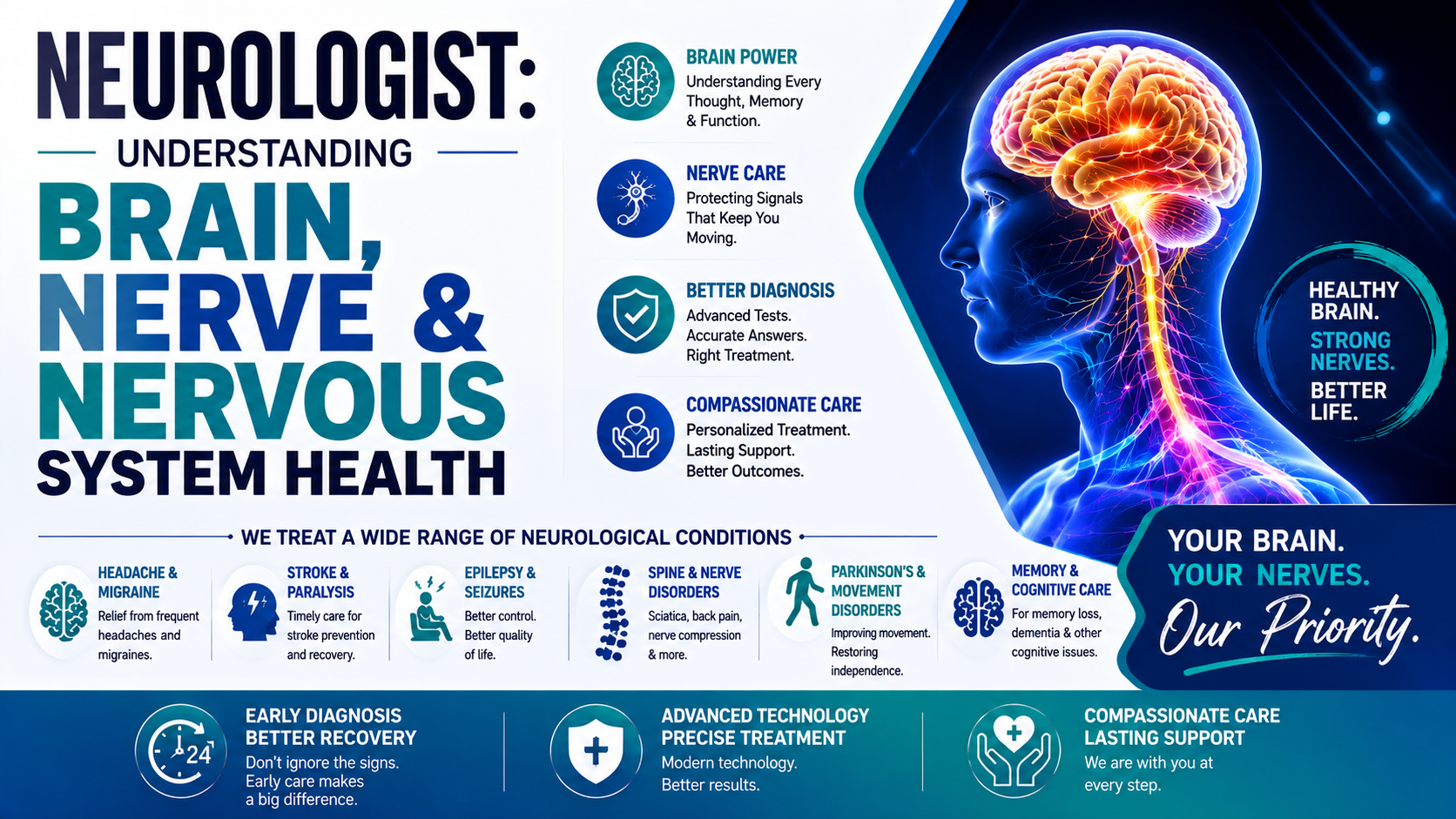
The human nervous system controls some of the most important functions of the body.
It helps you think, remember, speak, move, feel, maintain balance and respond to the world around you. Because the nervous system is so complex, problems affecting it can appear in many different ways.
A persistent headache may be neurological. Repeated episodes of dizziness may need evaluation. Numbness or weakness in an arm or leg can have several possible causes. Memory changes, seizures, tremors and problems with coordination may also require specialist attention.
A Neurologist is the medical specialist who evaluates disorders affecting the brain, spinal cord, nerves and related parts of the nervous system.
Medical Docs – India’s Most Trusted Healthcare Single Window Platform helps patients discover doctors and healthcare services through a connected digital healthcare ecosystem.
What Is a Neurologist?
A Neurologist is a physician specializing in the diagnosis and non-surgical management of disorders involving the nervous system.
The nervous system broadly includes:
Brain → Spinal Cord → Peripheral Nerves → Muscles and Their Neurological Connections
Neurologists evaluate a wide range of neurological symptoms and conditions.
These may include:
- Headaches and migraines
- Seizures and epilepsy
- Stroke
- Parkinson's disease
- Multiple sclerosis
- Neuropathy
- Movement disorders
- Memory disorders
- Tremors
- Nerve-related pain
- Balance and coordination problems
- Certain sleep-related neurological disorders
A Neurologist may also work closely with Neurosurgeons, Physiotherapists, Rehabilitation Specialists and other healthcare professionals when a patient's condition requires multidisciplinary care.
Why Neurological Symptoms Can Be Difficult to Understand
Neurological symptoms do not always point to one obvious disease.
For example, dizziness may be related to the inner ear, blood pressure, medication, dehydration or a neurological condition.
Similarly, numbness may result from nerve compression, diabetes, nutritional deficiencies or other causes.
This is why self-diagnosis can be unreliable.
A Neurologist uses the patient's history, neurological examination and, when appropriate, diagnostic investigations to understand what may be causing the symptoms.
Common Reasons People Visit a Neurologist
Not every headache or episode of dizziness requires a Neurologist.
However, certain symptoms—particularly when they are persistent, recurrent, unexplained or worsening—may require neurological evaluation.
Frequent or Severe Headaches
Headaches are extremely common, but their patterns vary.
A Neurologist may evaluate headaches that:
- Occur frequently
- Are becoming more severe
- Interfere with daily activities
- Have changed significantly from previous headaches
- Are associated with neurological symptoms
Migraines are one of the common neurological conditions treated by specialists.
Migraine
Migraine is more than an ordinary headache.
Some people experience:
- Throbbing head pain
- Nausea
- Vomiting
- Sensitivity to light
- Sensitivity to sound
- Visual disturbances
- Temporary neurological symptoms known as aura
Migraine patterns vary from person to person.
A Neurologist can help determine whether symptoms are consistent with migraine or whether another cause needs to be considered.
Dizziness and Balance Problems
Dizziness can mean different things to different people.
A person may describe it as:
- Feeling that the room is spinning
- Feeling light-headed
- Feeling unsteady
- Difficulty walking
- Loss of balance
The cause can be neurological or non-neurological.
If dizziness is recurrent, unexplained or accompanied by symptoms such as weakness, speech difficulty, severe headache, vision changes or loss of coordination, medical evaluation is important.
Numbness, Tingling and Weakness
A temporary tingling sensation can happen for many harmless reasons.
But persistent or unexplained:
- Numbness
- Tingling
- Burning sensations
- Muscle weakness
- Loss of sensation
- Difficulty moving a limb
may require evaluation.
These symptoms can sometimes be related to problems involving peripheral nerves, the spinal cord or brain.
Conditions such as diabetic neuropathy and nerve compression can also produce sensory symptoms.
A Neurologist can help identify the likely source and determine whether further testing is required.
Seizures and Epilepsy
A seizure occurs when there is abnormal electrical activity in the brain.
Seizures can appear in different ways.
Some involve:
- Loss of consciousness
- Repetitive movements
- Stiffening or jerking
- Temporary confusion
Others may be much less obvious.
A person who has experienced a possible first seizure should receive appropriate medical evaluation.
Epilepsy is a neurological disorder characterized by a tendency to have recurrent unprovoked seizures.
Neurologists play an important role in diagnosing and managing epilepsy.
Stroke: Recognizing the Warning Signs
Stroke is one of the most important neurological emergencies.
A stroke occurs when blood flow to part of the brain is interrupted or when bleeding occurs in the brain.
Symptoms can begin suddenly.
Remember the BE-FAST warning signs:
B — Balance: Sudden loss of balance or coordination
E — Eyes: Sudden vision changes
F — Face: Facial weakness or drooping
A — Arm: Sudden weakness or numbness of an arm
S — Speech: Difficulty speaking or understanding speech
T — Time: Seek emergency medical help immediately
The American Stroke Association emphasizes recognizing sudden stroke warning signs and acting quickly because timely treatment can reduce the risk of disability.
A suspected stroke is an emergency, not a routine Neurologist appointment.
In India, call 112 or access your local emergency medical service immediately.
Parkinson's Disease and Movement Disorders
Neurology also covers disorders that affect movement.
Parkinson's disease is a progressive neurological disorder that can affect movement and other functions.
Possible symptoms include:
- Tremor
- Slowness of movement
- Muscle stiffness
- Balance problems
- Changes in walking
Other movement disorders can involve involuntary movements, abnormal muscle contractions or coordination difficulties.
A Neurologist can assess these symptoms and determine the appropriate diagnosis and management.
Memory and Cognitive Problems
Occasional forgetfulness can happen to anyone.
However, persistent changes in memory, thinking or behaviour may require professional evaluation.
Warning signs can include:
- Increasing forgetfulness
- Difficulty managing familiar tasks
- Problems finding words
- Getting confused about familiar places
- Difficulty making decisions
- Noticeable changes in behaviour
Memory problems can have many possible causes.
These may include neurological diseases, medication effects, sleep problems, mood-related conditions, nutritional issues and other medical conditions.
A Neurologist can assess the symptoms and determine whether further investigation is needed.
Neuropathy and Nerve Problems
Peripheral nerves carry signals between the brain, spinal cord and the rest of the body.
When these nerves are damaged or affected, symptoms may occur in the hands, feet or other areas.
Peripheral neuropathy may cause:
- Tingling
- Burning pain
- Numbness
- Increased sensitivity
- Reduced sensation
- Weakness
Diabetes is a common cause of peripheral neuropathy, but there are many other possible causes.
Identifying the underlying cause is important because treatment depends on the specific condition.
Multiple Sclerosis
Multiple sclerosis, commonly called MS, is a disease in which the immune system attacks the central nervous system.
It can affect the brain and spinal cord and may produce different symptoms depending on the areas involved.
Possible symptoms include:
- Vision problems
- Numbness
- Weakness
- Balance difficulties
- Coordination problems
- Fatigue
MS is a complex condition requiring specialist assessment and long-term management.
A Neurologist plays an important role in diagnosis and ongoing care.
When Should You See a Neurologist?
Consider consulting a Neurologist if you experience symptoms that are persistent, recurrent, unexplained or progressively worsening, particularly when they involve the brain, nerves or movement.
Examples include:
- Frequent or unusual headaches
- Recurrent migraines
- Unexplained dizziness
- Repeated balance problems
- Persistent numbness or tingling
- Muscle weakness
- Tremors
- Seizures
- Memory problems
- Speech difficulties
- Coordination problems
- Persistent nerve pain
- Changes in walking or movement
Your General Physician may also recommend a Neurologist when a neurological condition is suspected.
When Is a Neurological Symptom an Emergency?
Some neurological symptoms require immediate emergency medical care.
Do not wait for a routine appointment if someone suddenly develops:
- Facial drooping
- Weakness or numbness on one side of the body
- Difficulty speaking
- Sudden loss of vision
- Sudden severe headache
- Sudden loss of balance or coordination
- Loss of consciousness
- A suspected seizure
- Sudden confusion
These symptoms can indicate serious neurological conditions, including stroke.
Time matters. Seek emergency medical care immediately.
What Happens During a Neurology Consultation?
A Neurologist may begin with a detailed discussion about your symptoms.
The doctor may want to know:
- When the symptoms started
- How often they occur
- Whether they are getting worse
- What triggers them
- Whether symptoms appear suddenly or gradually
- Previous illnesses
- Current medications
- Family medical history
- Previous neurological problems
A neurological examination may then assess areas such as:
Mental function → Cranial nerves → Muscle strength → Reflexes → Sensation → Coordination → Balance → Walking
The examination helps the doctor understand how different parts of the nervous system are functioning.
Tests a Neurologist May Recommend
Not everyone needs neurological testing.
When further investigation is appropriate, the Neurologist may recommend tests based on the suspected condition.
MRI
Magnetic resonance imaging can produce detailed images of the brain, spinal cord or other structures.
CT Scan
Computed tomography can provide rapid imaging and is commonly used in emergency neurological situations such as suspected stroke.
EEG
An electroencephalogram records electrical activity in the brain and can be useful when evaluating certain seizure disorders.
EMG and Nerve Conduction Studies
These tests can help evaluate the function of muscles and peripheral nerves.
Blood Tests
Blood tests may help identify metabolic, nutritional, inflammatory or other factors contributing to neurological symptoms.
The choice of investigation depends entirely on the patient's clinical situation.
Neurologist vs Neurosurgeon
These specialties are closely related but have different roles.
A Neurologist diagnoses and medically manages neurological conditions and does not generally perform brain or spinal surgery.
A Neurosurgeon is a surgical specialist who performs operations involving the brain, spinal cord and nervous system.
For example:
Migraine → Neurologist
Epilepsy → Neurologist
Peripheral neuropathy → Neurologist
Certain brain or spinal conditions requiring surgery → Neurosurgeon
In some cases, both specialists may work together.
Neurologist vs Psychiatrist
Neurology and Psychiatry both involve the brain, but they are different medical specialties.
A Neurologist focuses primarily on diseases and disorders of the nervous system.
A Psychiatrist specializes in the diagnosis and treatment of mental, emotional and behavioural disorders.
There can be overlap, particularly because some neurological conditions can affect mood, behaviour and cognition.
The appropriate specialist depends on the symptoms and underlying condition.
Can Lifestyle Affect Neurological Health?
The nervous system is closely connected to overall health.
While lifestyle changes cannot prevent every neurological disease, healthy habits can support general brain and cardiovascular health.
Important habits include:
- Regular physical activity
- Balanced nutrition
- Adequate sleep
- Avoiding tobacco
- Limiting harmful alcohol use
- Managing blood pressure
- Managing diabetes
- Maintaining a healthy weight
- Staying mentally and socially active
The World Health Organization identifies physical inactivity, unhealthy diet, tobacco use and harmful alcohol use among important risk factors for noncommunicable diseases, many of which can affect cardiovascular and neurological health.
How Neurological Care Can Be a Long-Term Journey
Some neurological conditions are short-term and resolve with appropriate treatment.
Others require long-term monitoring.
For patients living with conditions such as epilepsy, Parkinson's disease, multiple sclerosis, migraine or neuropathy, healthcare may involve:
Diagnosis → Treatment → Monitoring → Follow-up → Lifestyle Management → Specialist Coordination
The treatment plan can change over time depending on symptoms and response to treatment.
Regular follow-up can therefore be an important part of managing chronic neurological conditions.
Choosing the Right Neurologist
When looking for a Neurologist, consider more than location or online visibility.
Verify Qualifications
Check the doctor's medical qualifications and relevant neurology training.
Consider Clinical Experience
Experience with your particular symptoms or neurological condition may be useful.
Look at Hospital or Clinic Availability
Some neurological conditions may require access to diagnostic facilities or hospital-based care.
Communication Matters
Neurological symptoms can be complex. A doctor who explains the condition and treatment plan clearly can make healthcare decisions easier to understand.
Think About Follow-Up Care
Chronic neurological conditions may require multiple consultations, so continuity of care can be important.
Find a Neurologist Through Medical Docs
Finding a neurological specialist can become difficult when doctor information, diagnostic facilities and other healthcare services are spread across different platforms.
Medical Docs – India’s Most Trusted Healthcare Single Window Platform is designed to connect patients with healthcare providers through one connected digital ecosystem.
Patients can explore doctors and healthcare services according to their requirements.
Find a Neurologist on Medical Docs
Medical Docs brings together:
Patients → Doctors → Clinics → Hospitals → Diagnostic Laboratories → Pharmacies
This connected approach is designed to make healthcare discovery more organized and accessible.
From Neurologist to Diagnostics: A Connected Healthcare Journey
Neurological care can involve multiple healthcare services.
For example:
Neurologist → MRI/CT Centre → Diagnostic Laboratory → Hospital → Pharmacy → Follow-Up Care
A patient may also need to keep track of prescriptions, reports and previous consultations.
A connected healthcare ecosystem can make it easier to discover the relevant healthcare providers involved in this journey.
Through Medical Docs, patients can explore doctors, clinics, hospitals, diagnostic laboratories and pharmacies in one connected environment.
Why Early Evaluation of Neurological Symptoms Matters
Neurological symptoms should not always be ignored simply because they are mild.
Persistent numbness, recurring headaches, unexplained weakness, changes in movement or repeated dizziness may have many possible causes.
Early professional evaluation can help determine:
Is the symptom temporary?
Does it require investigation?
Is there an underlying neurological condition?
Does the patient need a specialist?
The earlier the underlying cause is identified when appropriate, the sooner the patient can receive suitable medical guidance.
And when symptoms are sudden and severe—particularly those suggesting stroke—immediate emergency care is essential.
Frequently Asked Questions About Neurologists
What does a Neurologist treat?
Neurologists diagnose and manage disorders affecting the brain, spinal cord and peripheral nerves. Common examples include migraine, epilepsy, stroke, Parkinson's disease, neuropathy and other neurological conditions.
Should I see a Neurologist for headaches?
Many headaches can be managed by a General Physician. A Neurologist may be appropriate for frequent, severe, unusual or difficult-to-manage headaches, particularly when neurological symptoms are present.
Can a Neurologist treat migraine?
Yes. Neurologists can diagnose and manage migraine and other neurological headache disorders.
Can a Neurologist treat dizziness?
A Neurologist can evaluate dizziness when a neurological cause is suspected. However, dizziness can have many non-neurological causes as well.
What does numbness in the hands or feet mean?
Numbness can have many possible causes, including nerve compression, diabetes, nutritional problems and neurological conditions. Persistent or unexplained numbness should be medically evaluated.
Can a Neurologist treat epilepsy?
Yes. Neurologists commonly diagnose and manage epilepsy and seizure disorders.
What is the difference between a Neurologist and a Neurosurgeon?
A Neurologist generally provides non-surgical diagnosis and management of neurological conditions, while a Neurosurgeon performs surgical procedures involving the nervous system.
When is a neurological problem an emergency?
Sudden facial drooping, one-sided weakness or numbness, speech difficulty, sudden vision loss, severe sudden headache or sudden loss of balance can be warning signs of a stroke and require immediate emergency medical attention.
Can a Neurologist help with memory problems?
Yes. Neurologists can evaluate persistent memory and cognitive changes and determine whether further investigation is needed.
Can I find a Neurologist online?
Yes. You can explore Neurologists and other healthcare providers through Medical Docs.
Conclusion
The nervous system is at the centre of how we think, move, communicate, feel and interact with the world.
When something goes wrong, the symptoms can be surprisingly varied—from headaches and dizziness to numbness, seizures, memory changes, tremors and problems with movement.
A Neurologist specializes in understanding these symptoms and diagnosing and managing conditions affecting the brain, spinal cord and nerves.
If symptoms are persistent or unexplained, professional evaluation can help determine the underlying cause and the appropriate next step.
And when neurological symptoms appear suddenly—especially facial weakness, one-sided numbness, speech difficulty, sudden vision problems or loss of balance—do not wait for a routine appointment. Seek emergency medical care immediately.
Medical Docs – India’s Most Trusted Healthcare Single Window Platform brings patients and healthcare providers together through a connected healthcare ecosystem.
From finding a Neurologist to discovering clinics, hospitals, diagnostic laboratories and pharmacies, Medical Docs is designed to make healthcare discovery more connected and organized.
Find the right Neurologist and explore healthcare services with Medical Docs.
Medical Disclaimer
This article is intended for general educational and informational purposes only. It does not provide a diagnosis or replace consultation with a qualified Neurologist or other healthcare professional. Neurological symptoms can have many different causes and require individual medical assessment. This article should not be used for self-diagnosis or self-treatment. If you or someone around you develops sudden neurological symptoms such as facial drooping, one-sided weakness, speech difficulty, sudden vision loss, severe sudden headache or loss of balance, seek immediate emergency medical care.
Medical information notice
This article is for education only and does not replace diagnosis, treatment or advice from a qualified healthcare professional. Seek urgent care for emergency symptoms.